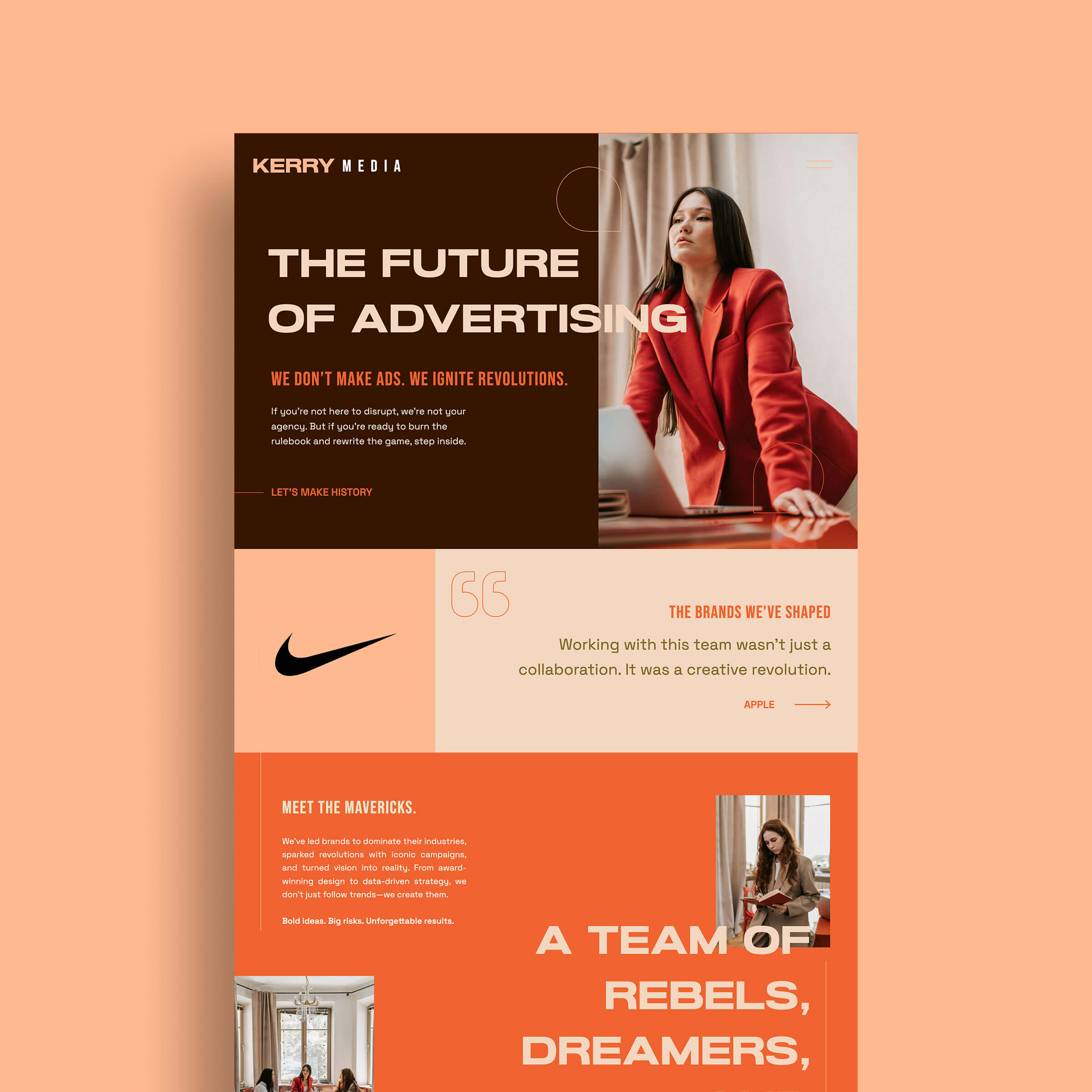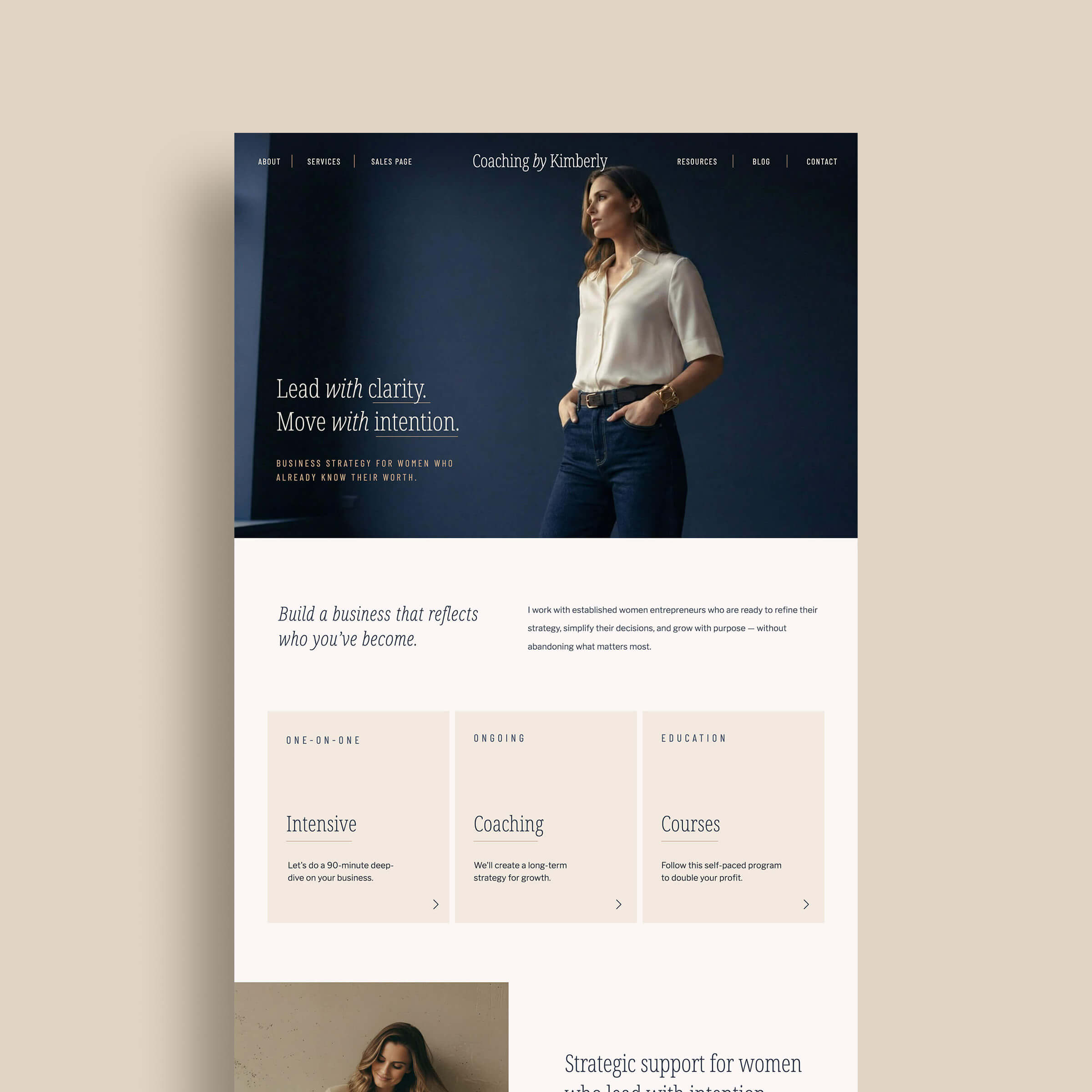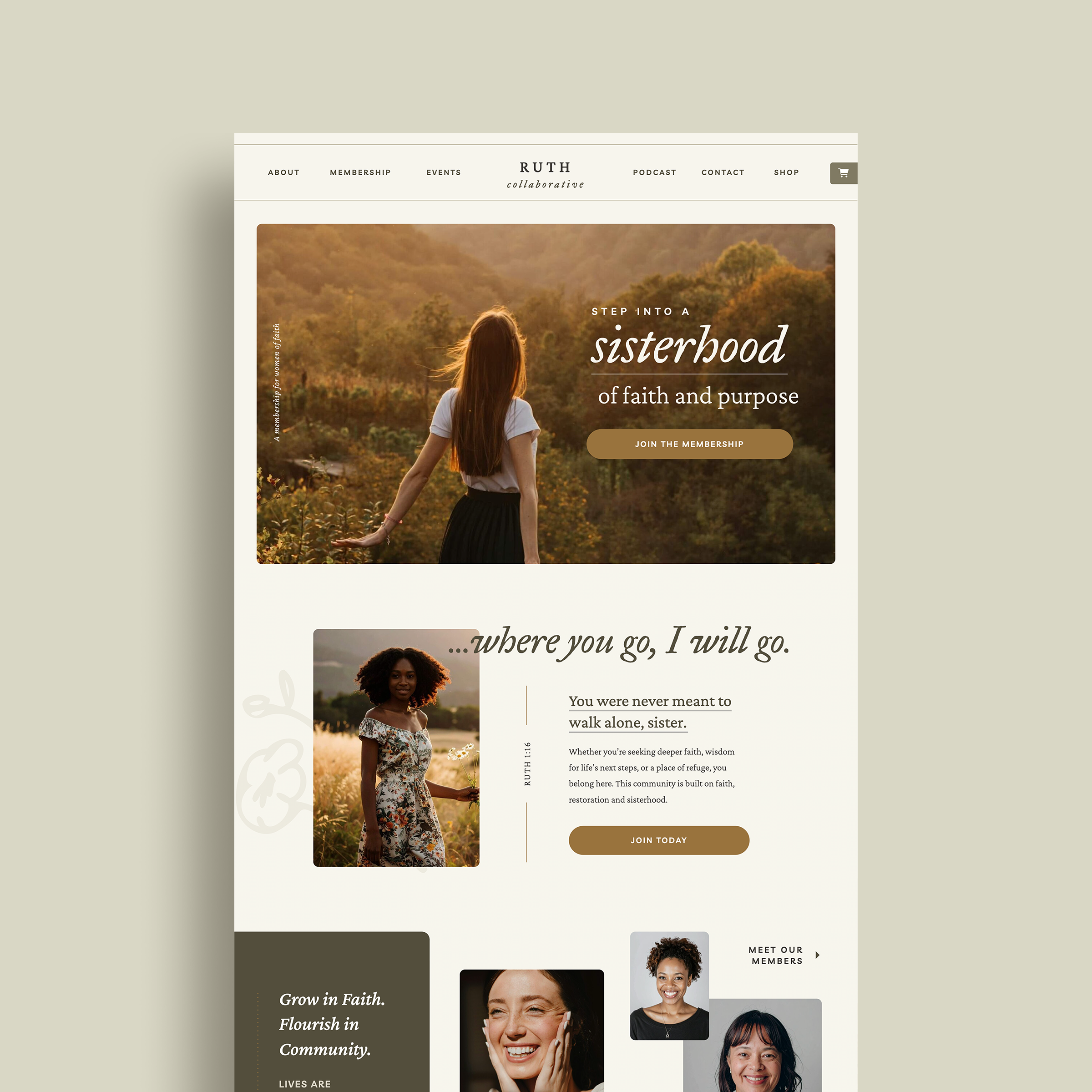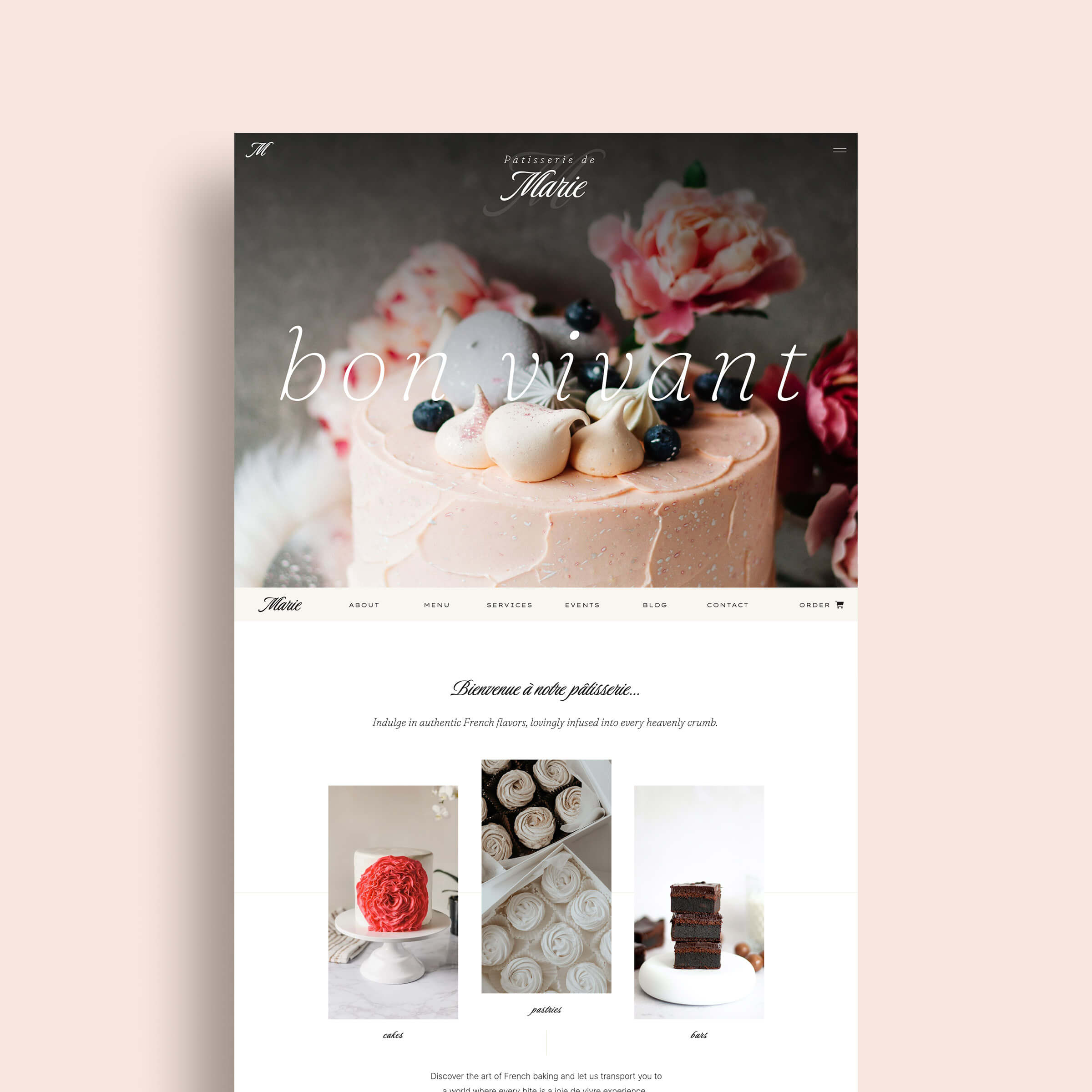










Ok so AEO is a thing + if you’ve been ignoring it, now’s the time to pay attention. It’s about being THE answer when someone asks AI a question, not just showing up in a list of links. And no, it’s not just SEO with a new name. Here’s what’s actually different + what to do about it, by business type
So a few clients have been asking me about this lately + I went down a pretty deep rabbit hole doing some research about it… and I thought you’d wanna know what I found out.
There’s a new way people are getting found online and you’ve probably seen this firsthand if you are using AI tools like ChatGPT or Claude or even Google AI Overviews. What I’m talking about is AEO, Answer Engine Optimization. AEO is actually different enough from SEO that it’s worth having a conversation about, because even though SEO definitely still matters, if you’re only thinking on that, you’re missing a whole piece of the puzzle.
SEO vs AEO
SEO is about getting your content to rank in search results. Google uses an algorithm to decide whose page shows up first.
AEO is about getting your content to BE the answer when someone asks an AI a question. And the way you do that is through mentions + citations. That means what other people say about you online matters more than it ever did with traditional SEO.
Good news is that SEO + GEO can work together. In reality, you don’t want to just skip SEO and jump to AEO. You really need both. Research shows a 92% correlation between pages ranking in the top 10 organically and pages cited in AI Overviews…
So that means AI is still reading the top search results first!
The reason this matters RIGHT NOW is that more + more people are getting their answers from AI tools instead of clicking through a list of links. According to Frase.io, AI-referred sessions to websites grew 527% year-over-year through mid-2025. And the businesses showing up in those AI answers didn’t get there by stuffing keywords into their website. They got there because other people + platforms are talking about them.
That’s the thing you want to about AEO… Your website and SEO still matters. But what OTHER people say about you online might matter more right now, especially for AEO.
Start Here: The AEO Stuff Everyone Should Do
No matter what kind of business you have, these are the non-negotiables.
- Submit your site to Bing Webmaster Tools. I know… Bing feels a little like an afterthought. But Bing powers Copilot, which is Microsoft’s AI answer engine built into Windows, Edge + a ton of enterprise tools. If you’re not in Bing’s index you’re invisible to Copilot entirely. The cool thing is you can actually import your site info directly from Google Search Console in about two minutes. Bing also has an AI mentions dashboard that shows you when Copilot is citing your content, which I thought is super nifty and is actually more AEO visibility than Google gives us right now. I don’t think most people are talking about this or know about it, so it would be a low lift do and I don’t think there’s a lot of competition for it. Set it up here →
- Get your schema markup sorted. Schema is backend code that helps AI understand what your content is + who created it. It’s invisible to your visitors but readable by AI crawlers. Think of it as the in-between layer for your content + the machines trying to cite it. The most useful types for small businesses are usually:
- Article schema (signals authorship + freshness)
- FAQPage schema (mirrors how AI users ask questions)
- Organization or Person schema (establishes your entity).
- Decide on your niche descriptor and repeat it everywhere. Whatever you want to be known for, say it the same way, consistently, across every platform. AI builds confidence around entities that appear the same way across multiple sources. Inconsistency dilutes you.
- Write complete content. AI evaluates whether a page fully satisfies answers a question or topic… not just whether it has the right keywords. Answer the question + the three or four questions your reader would naturally have next. Basic content loses even it has the “perfect” structure and formatting.
- Keep your content fresh. Set a reminder to revisit your top pages quarterly to update the stats, add a FAQ or refresh the intro. These kind of updates signal to AI that your content is maintained, and this matters a ton.
How to generate Schema code
Paste your content into any AI tool, ChatGPT, Gemini, Claude, and ask it to “format this as [schema type] JSON-LD schema.” It should give you ready-to-paste code in about 10 seconds.
- If you’re on WordPress, Rank Math or Yoast will take care of your Article schema automatically.
- Google also has a free schema markup generator if you prefer a visual tool.
- For Showit pages specifically, you can paste the final code into the head of your page under Advanced Settings > Custom Head HTML.
If that sounds too technical, I promise it’s not. You can add this yourself if you have access to add code to the head of your website or any web designer should be able to add this for you too.
If You’re a Personal Brand (Coach, Speaker, Author)
If you are a personal brand then you ARE the brand, which means AI tools need to be able to find you consistently across multiple places, not just your website. This is called entity consistency and it’s basically AI’s way of confirming you are who you say you are.
Think of it this way… AI isn’t just reading your about page. It’s building a whole picture of you from everywhere you show up: your site, your LinkedIn, podcast appearances, directories, anywhere you’ve been mentioned or quoted. If all of those say the same specific things about you, AI gets more confident about who you really are. If they’re all a little different or kinda vague… you’re easy to skip over.
What to actually do for your AEO as a personal brand:
These things will specifically help you as an individual-based brand.
- Write one specific bio + use it everywhere. Make it a specific, third-person paragraph that says exactly who you are, who you serve, and what makes you the person for that. Use it on your website, your LinkedIn, every podcast you guest on, every directory you’re listed in. The repetition is the key point here.
- Get on podcasts in your clients’ world, not yours. This one is HUGE for personal brands specifically. Podcast transcripts live on the web and AI pulls directly from them… So when a host says “I hired [your name] and here’s what happened”, that’s a citation from a third-party source that AI engines take seriously.
- Get mentioned in roundups. “Best [your niche] coaches” lists, resource roundups, expert quotes in other people’s blog posts. These third-party mentions are exactly the off-site signals AEO rewards. Find lists that exist and pitch to be added. Yes, actually email the author.
- Sound like a real human on your website. “I’ve worked with 200+ coaches and the thing they always miss is…” gets cited. “I help you achieve your goals” does not. AI can tell the difference between lived experience and generic copy. Be specific and opinionated. Sound like YOU.
- Answer questions on Reddit + Quora. This one surprises people but Reddit is actually one of the top citation sources for AI answers right now. A specific and genuinely helpful answer on a thread in your niche is exactly the kind of third-party reference that AEO rewards. This is a low-level lift for most people – you could spin 5-10 minutes answering a thread.
- Use Person Schema for personal brands. This tells AI engines that you are a real individual with specific credentials, a specific niche, and specific links across the web. It connects your name to your website, your social profiles, and your areas of expertise, so when someone asks AI about you or your topic, it will confidently surface you by name. This goes best on your Homepage or About page.
AEO Tactics If You’re a Local Business
Local AEO is actually one of the clearest paths to a quick win for brick and mortar businesses because it looks like what AI pays attention to is pretty cut and dry.
- Google reviews are non-negotiable. When someone asks AI “who is the best [service] in [city]” — reviews are a primary trust signal. Not just for Google Maps. For AI answers too. You don’t need hundreds. But you need enough to show a pattern. Build the ask into your process so it’s automatic and not something you remember to do occasionally. After every project or service, just send the link to ask for a review. (This is something I’m actively working on and trying to get better!)
- Make sure every directory says the exact same thing. Your business name, address, and phone number should be identical everywhere you’re listed: your website, Google Business Profile, Yelp, Apple Maps, anywhere. Even small differences confuse AI engines when they are trying to confirm you’re the same person or brand across sources. I know it’s unsexy work but it matters a lot.
- Keep your Google Business Profile active. OK – I didn’t know you could even do this until writing this post, but apparently you can post updates on your Google Business Profile. You can start by sharing your blog posts there with a 2-3 sentence teaser and add some photos. Most businesses claim their profile once and then forget it exists but Google notices activity and so does AI. (Literally running to go do this right now, ha!)
- Set up Apple Business Connect. It’s the Apple Maps equivalent of Google Business Profile and almost nobody bothers with it. But Siri pulls from Apple Maps for local AI answers, which means every iPhone user asking Siri for recommendations is pulling from a source most local businesses haven’t claimed. I haven’t done this yet personally, but it’s on my list.
- Fill in the Google Business Profile Q+A section. There’s a Q+A feature on your GBP that most people don’t even know exists. You can add your own questions AND answer them. AI pulls from it. Go do this today.
- Use LocalBusiness Schema for local businesses. This is the local-specific version of Organization schema and it tells AI engines exactly where you are, what you do, your hours, your service area, and how to contact you. It’s what helps you show up when someone asks an AI for a recommendation in your city. This goes best on your homepage or contact page.
AEO Tactics If You’re a Service Provider
Your biggest opportunity here is demonstrating specific expertise that AI can confidently point someone to. Generic “I help clients get results” copy doesn’t cut it.
- Write one really good pillar page. This is different than a blog post. You want a super comprehensive, standalone resource on the main thing you do. Long, opinionated, written from real experience. “The Complete Guide to [Your Service] for [Your Client Type].” This is the page AI pulls from when someone asks a broad question in your space. It needs to be genuinely useful + opinionated, not just a basic listicle. Here’s an example of one I wrote about Showit Websites.
- Add an FAQ section to every service page.* AI tools answer questions. If your content is structured as questions + answers that match how your clients actually talk… you’re already ahead. Write the questions the way she’d actually say them out loud, not the way you’d write a formal document. According to AirOps, pages with clear structure earn 2.8x higher AI citation rates than poorly structured pages.
- Make your author bio real + specific. Every blog post should have a byline with your name, your credentials, your years of experience, who you serve. “Written by the team” does nothing. A specific human with a specific background signals credibility to AI systems, and to your readers.
- Use numbers. “I’ve helped 300+ women launch” is weighted more than “I’ve helped many women.” “Most projects take one week” is more citable than “projects take a few days.” Specificity is the ultimate credibility signal.
- Publish a LinkedIn article version of your best blog posts. Not just a LinkedIn post, an actual LinkedIn article (there’s a difference). LinkedIn articles get indexed separately and show up in search + AI answers. You’re putting the same content on a high-authority domain with almost zero extra effort.
- Go back and update old content. I love doing this for SEO and it’s great because AI engines weight freshness too. According to AirOps research, more than 70% of pages cited by AI were updated within the last 12 months. Going back through your existing blog posts, refreshing stats, adding a FAQ section at the bottom, and updating the publish date takes way less time than writing something new, and it signals to AI that your content is current.
FAQ Schema for AEO
One additional thing worth noting: there are actually two parts to an FAQ on your service page:
- the visible questions + answers your reader sees (mentioned above)
- and the FAQ schema that lives behind the scenes (in your site’s header code)
The schema is what actually gets you cited (this is different than how SEO works). Make sure you have both on your page.
AEO Tactics If You’re a Content Creator
You’re probably already producing the kind of content AI wants to cite. The question is whether it’s structured for citation or just structured for reads + likes.
- YouTube is underrated for AEO. Google owns it so all your transcripts are already getting indexed which is a huge win. Video results are showing up in AI overviews more + more and having a Youtube tutorial that directly answers a specific question makes it way easier to get found by someone who is actively trying to solve that problem right now. That’s bottom-of-funnel traffic that blog posts are not going to be able to pull the same kind of traffic from.
- Pinterest is a search engine, not a social network. Treat it like one. Your audience is already there. Pin every piece of content you create. Use multiple designs and keyword-rich descriptions. A well-pinned Pinterest post can drive traffic for years and gives AI another off-site source that corroborates your expertise.
- Start every post with a summary. AI often pulls from the opening of a page. Two or three sentences at the top that clearly state what the post covers, in plain language can greatly increase your chances of being the cited answer.
- Write sentences that can be lifted as a whole. E.g. “The number one mistake content creators make with their website is forgetting that Google can’t read their Canva graphics” is pullable. “It really depends on a lot of factors” is not. Think about what a one-sentence answer to your post’s main question would be, and make sure that sentence is actually in the post.
- Use Article Schema for content creators: Add Article or BlogPosting schema to every post you publish. It signals authorship, freshness, and what the content covers, all things AI engines use to decide whether to cite you. Make sure it includes your name as author, the publish date, and the date it was last updated. This is one of the easiest schema types to implement and one of the most consistently rewarded. If you use WordPress + Yoast, this schema is already built in.
FAQS about AEO
Yes.. actually more than it does for big sites. AI engines reward specificity and niche authority, not size. A small site that is super-focused on a specific topic, written from actual experience, and consistently mentioned in the right places will beat a large generic site for AEO every time. Luckily, the playing field is way more level here than in traditional SEO.
There are a few ways you can know if you’re being cited by AI.
The free options first: Bing Webmaster Tools has an AI mentions dashboard that shows when Copilot cites your content… and it’s free! HubSpot also has a free AEO Grader that gives you a one-time snapshot of how ChatGPT, Perplexity, and Gemini currently represent your brand. And the most low-tech option is just go ask ChatGPT, Perplexity, and Claude questions your ideal client would ask and see if you come up. Coudl be time consuming but doesn’t cost anything.
If you want ongoing monitoring, paid tools like Otterly AI (starting around $29/month) track your brand mentions across AI engines continuously. This could be worth it once you’re actively publishing and want to really measure progress, but I wouldn’t pay for a tracker without a content strategy behind it.
You can definitely just start with some of it…. solid SEO, consistent entity signals, and Bing Webmaster Tools. Then add schema markup on your key pages. Everything else like podcast guesting, roundup pitching, LinkedIn articles, Reddit answers… you can layer on top as you have bandwidth. Pick two or three things and do them consistently rather than trying to do everything at once.
Not if you do it right…but there’s one thing worth knowing. Google doesn’t technically penalize duplicate content, but it will choose ONE version to rank. And because LinkedIn has high domain authority, there’s a chance it outranks your original post if you’re not careful.
Two things that protect you: publish on your own site first and wait 2-3 days before posting to LinkedIn. That gives Google time to index your original as the source. And link back to your original post from within the LinkedIn article so Google can connect the dots.
If you do those two things then the AEO benefit of being indexed on a high-authority domain generally outweighs the risk. You can always test a couple posts before making this your go-to strategy and see how it does / doesn’t affect your site rankings.
Probably longer than you want…sorry! Content optimizations can start influencing AI responses within weeks depending on how frequently a platform updates. But building consistent patterns across multiple AI engines typically takes 3-6 months of ongoing effort. The brands winning at AEO right now started 6-12 months ago… So the best time to start was then and the second best time is now.
One Last Thing
I want to be clear… I’m a web designer, not an AEO expert by any means. But I’m pay close attention to this stuff because it directly affects my own site and whether my clients get found. The things above are what I’m working on implementing on my own site + recommending to the women I work with.
Your website is still the foundation of all of it. A well-built, well-structured site is what makes everything else possible… the citations, the mentions, the AI answers. If yours isn’t doing that job yet, that’s where to start.
Not sure if your site has the foundation for any of this to work? That’s what I look at first. Start here →